


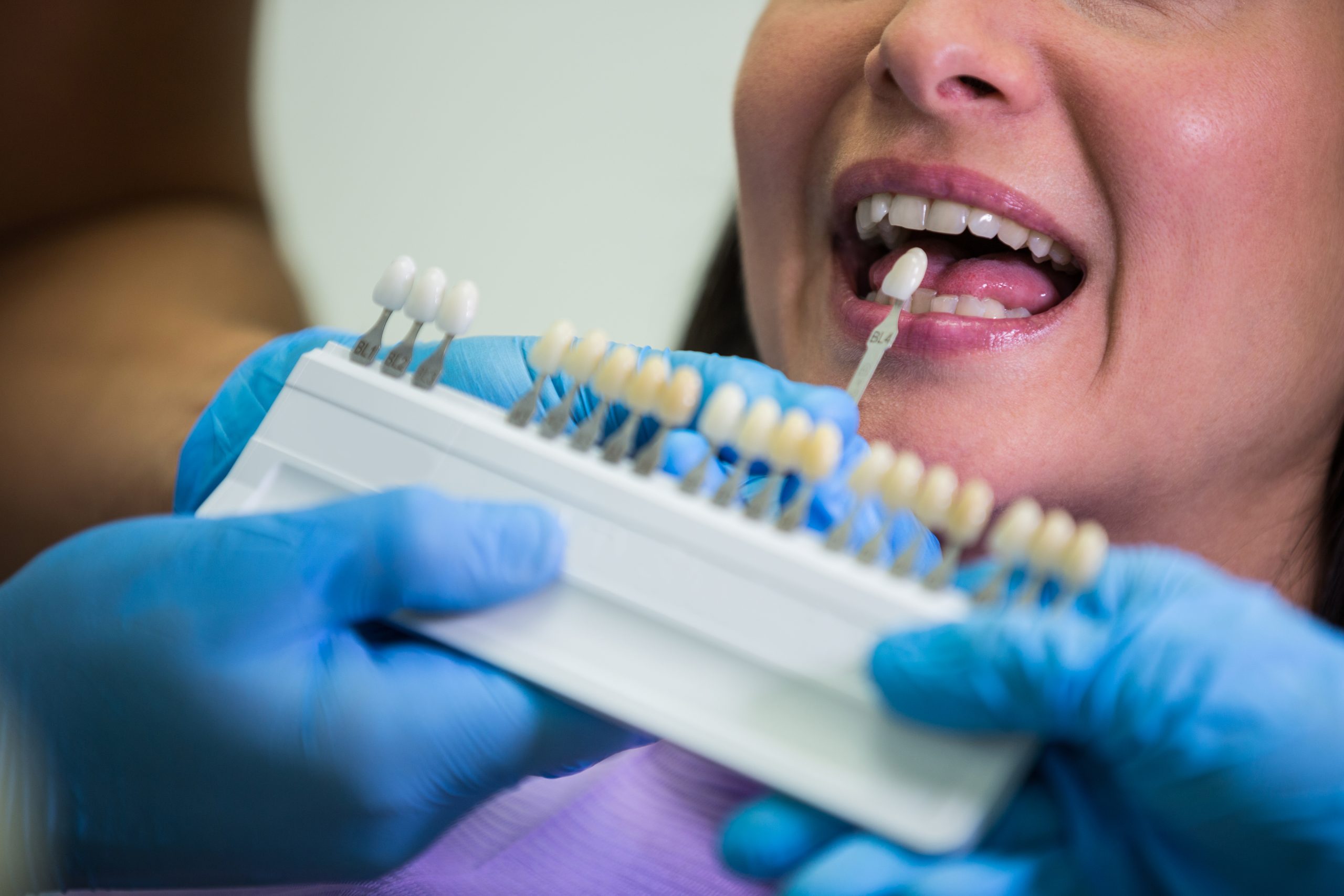
Are you missing one or more teeth and finding it harder to chew, speak, or feel comfortable when eating? Gaps in your smile can affect more than your appearance. Over time, missing teeth may also affect nearby teeth and change how your bite feels. If you are considering dental implants in Embrun, learning how implants work, who may benefit from them, and what the treatment process involves can help you understand your options. Knowing what to expect can also help you feel more prepared when discussing tooth replacement with your dental professional.
What are Dental Implants?
Dental implants are used to replace missing teeth, including the tooth root. A small post is placed in the jawbone to support a replacement tooth, such as a crown.
Unlike dentures, which can be removed, dental implants are designed to remain securely in place. Once treatment is finished, they can help make chewing easier and provide a steady way to replace missing teeth.
Who May Be a Good Candidate for Dental Implants?
Dental implants are not right for everyone. Your dentist at a dental clinic near you will check your gums, jawbone, and teeth to see if they are suitable for treatment.
You may be suitable if you have:
- Missing teeth
- Healthy or well-managed gums
- Enough jawbone support
- Good oral hygiene
Bone loss does not always prevent implants. Extra treatment may be needed first.
How Do Dental Implants Work?
The implant acts as a secure foundation for the replacement tooth. As the jawbone heals, it gradually joins with the implant, helping keep it stable.
A dental implant is made up of three key parts:
- Implant: A small post placed inside the jawbone.
- Connector: Attaches the implant to the replacement tooth.
- Replacement tooth: Covers the space left by the missing tooth.
Together, these parts can help complete your smile and provide better support for your bite.
What Is the Dental Implant Process Like?
Treatment is usually completed in stages rather than in one visit at a dental clinic in Embrun
. The exact timeline depends on the number of teeth being replaced and the condition of the jawbone.
The process may include:
- Initial assessment: Oral health and treatment needs are reviewed.
- Treatment planning: The position of the implant and replacement tooth is planned.
- Implant placement: The implant is placed into the jawbone.
- Healing period: Time is allowed for the implant to become stable.
- Final restoration: A custom replacement tooth is attached once healing is complete.
Some cases may take several months because the implant needs time to heal before the final tooth is placed.
How Should Dental Implants Be Cared For?
Proper daily care is important for maintaining the health of the implant area. Good habits can also help protect the gums and the replacement tooth.
Helpful steps include:
- Brush twice a day with a soft-bristle toothbrush.
- Clean between the teeth and around the implant carefully.
- Follow any cleaning instructions provided after treatment.
- Attend regular dental checkups.
- Avoid biting extremely hard objects in the implant area.
- Contact a dental professional if the implant or replacement tooth feels loose or uncomfortable.
Regular care is important because healthy gums help support the long-term function of the implant.
What are the Main Benefits of Dental Implants?
Dental implants near you can be a good option for replacing missing teeth when they are right for you.
Some possible benefits include:
- A stable way to replace missing teeth
- Easier chewing
- A natural-looking smile
- No need to remove the replacement tooth every day
- A fuller smile
- Better everyday mouth function
Results may vary based on your oral health and the type of replacement tooth used.
What Should You Know Before Choosing Implants?
Implant treatment is a long-term commitment that requires proper planning and ongoing care. The treatment may also involve multiple appointments and a healing period.
Before starting treatment, it is helpful to ask about:
- The expected treatment timeline
- The condition of the jawbone
- The type of replacement tooth recommended
- Cleaning and maintenance needs
- Any additional treatment that may be required
A thorough assessment can help determine whether implants are a suitable option for replacing missing teeth.
Restore Your Smile With Personalized Care!
Replacing missing teeth can make chewing easier, improve your smile, and make daily activities more comfortable. The right treatment depends on your gum health, jawbone, and personal needs. A dental checkup can help you find out if implants are right for you.
Want to learn more about your options? Book an appointment with Embrun Denture & Implant Centre to discuss ways to replace missing teeth and restore your smile.
FAQs
What are dental implants?
Dental implants are a way to replace missing teeth. A small post is placed in the jawbone to support a replacement tooth.
Who can get dental implants?
People with healthy gums, sufficient jawbone, and good oral hygiene may be suitable candidates. A dental checkup is needed to confirm this.
How long does the dental implant process take?
It depends on the person and the treatment needed. The process may take several months while the implant heals and becomes stable.
How do I care for dental implants?
Brush twice a day, clean between your teeth, and visit your dentist regularly. Follow your dentist’s care advice to keep your gums healthy.